‹
›
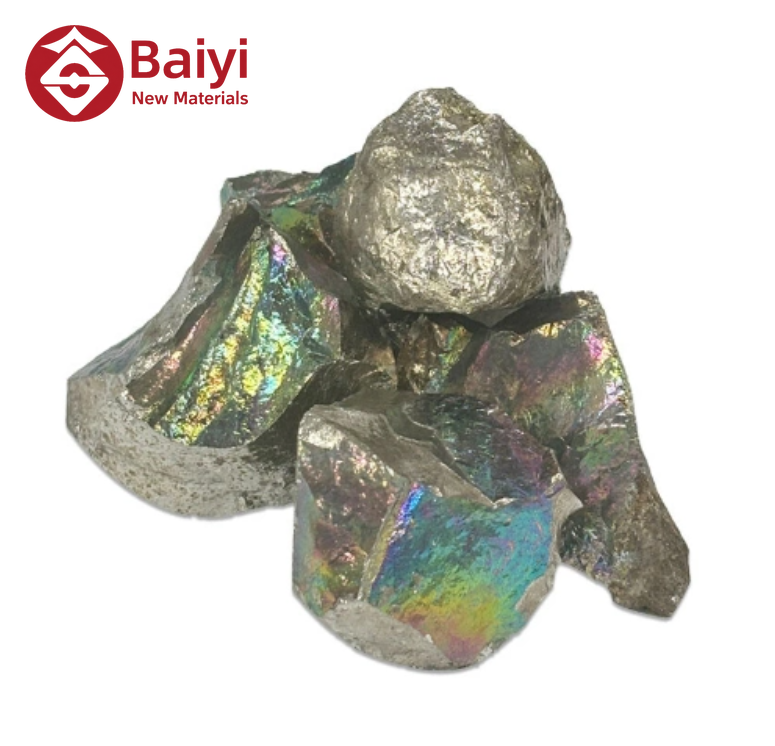
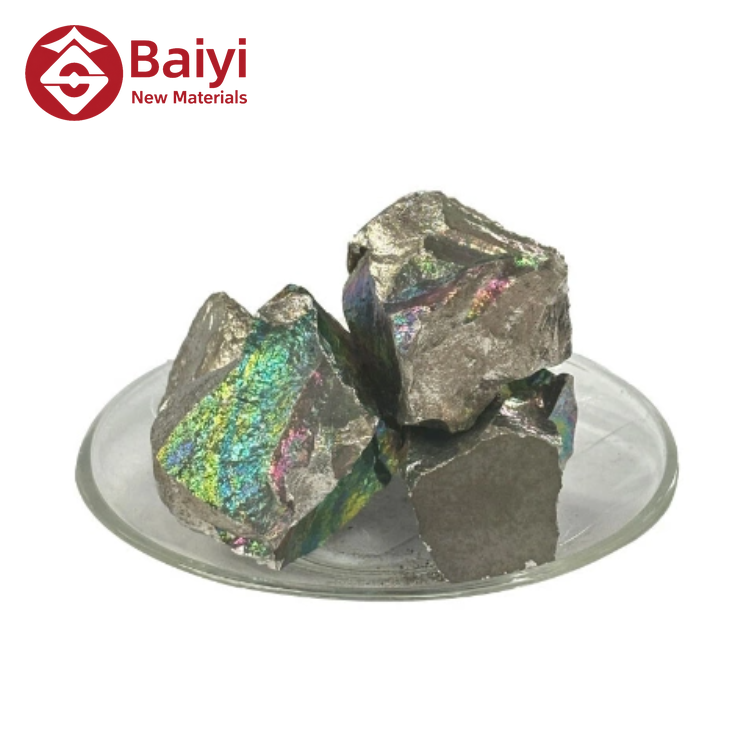
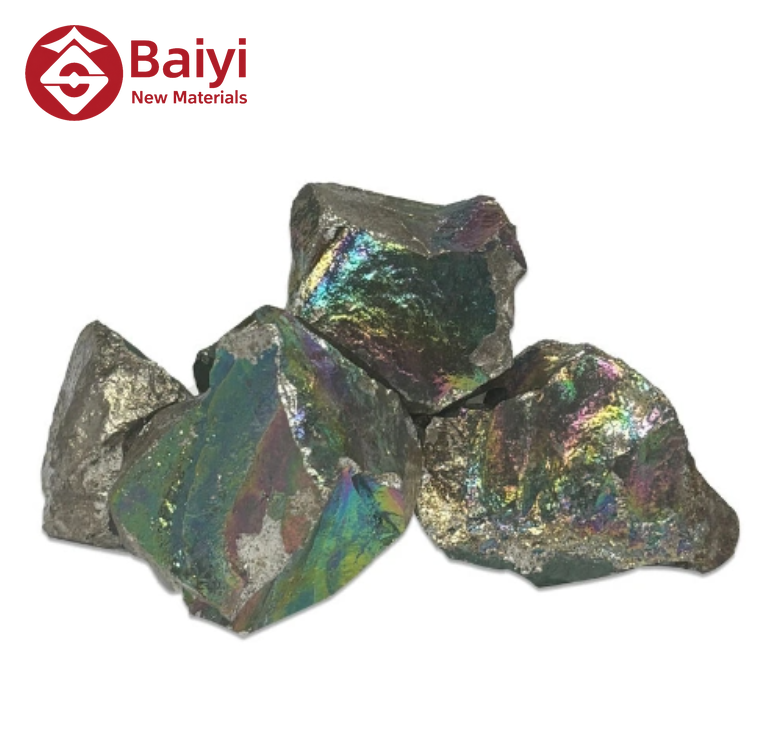
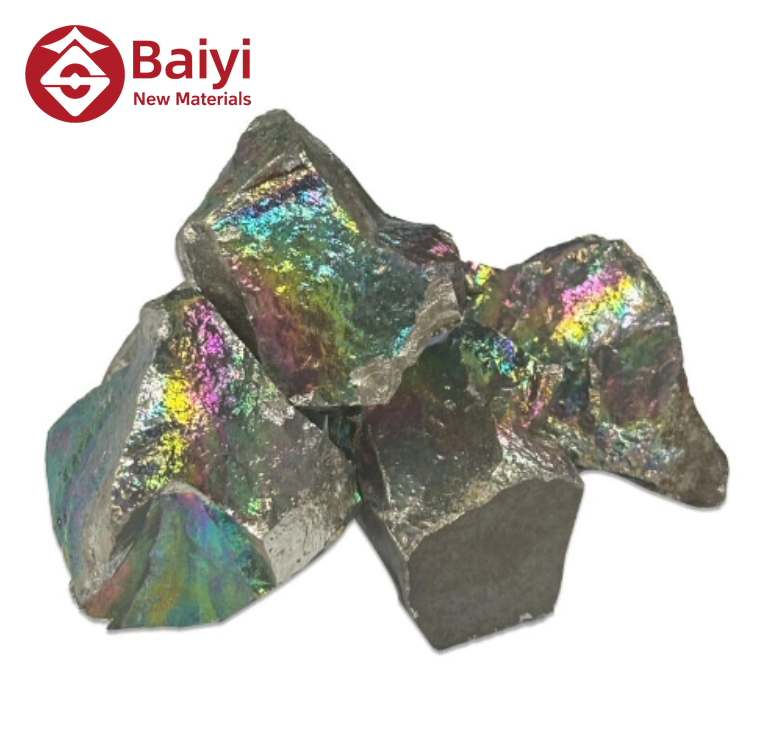
Manganese Metal
Basic Information
It is also an important alloying element used in the manufacture of stainless steels, high-strength low alloy steels (HSLA), aluminium-manganese alloys and copper-manganese alloys. Manganese metal can be produced industrially and almost all of it is used in the steel industry to make ferromanganese alloys. Manganese ferroalloys can be obtained by reducing the appropriate proportions of iron oxide (Fe₂O₃) and manganese dioxide (MnO₂) with carbon (graphite) in a blast furnace. Pure manganese metal can be produced by electrolysis of manganese sulphate (MnSO₄).
Specification and particle size: natural lump, 10-100mm, powder or customised according to customers' requirements.
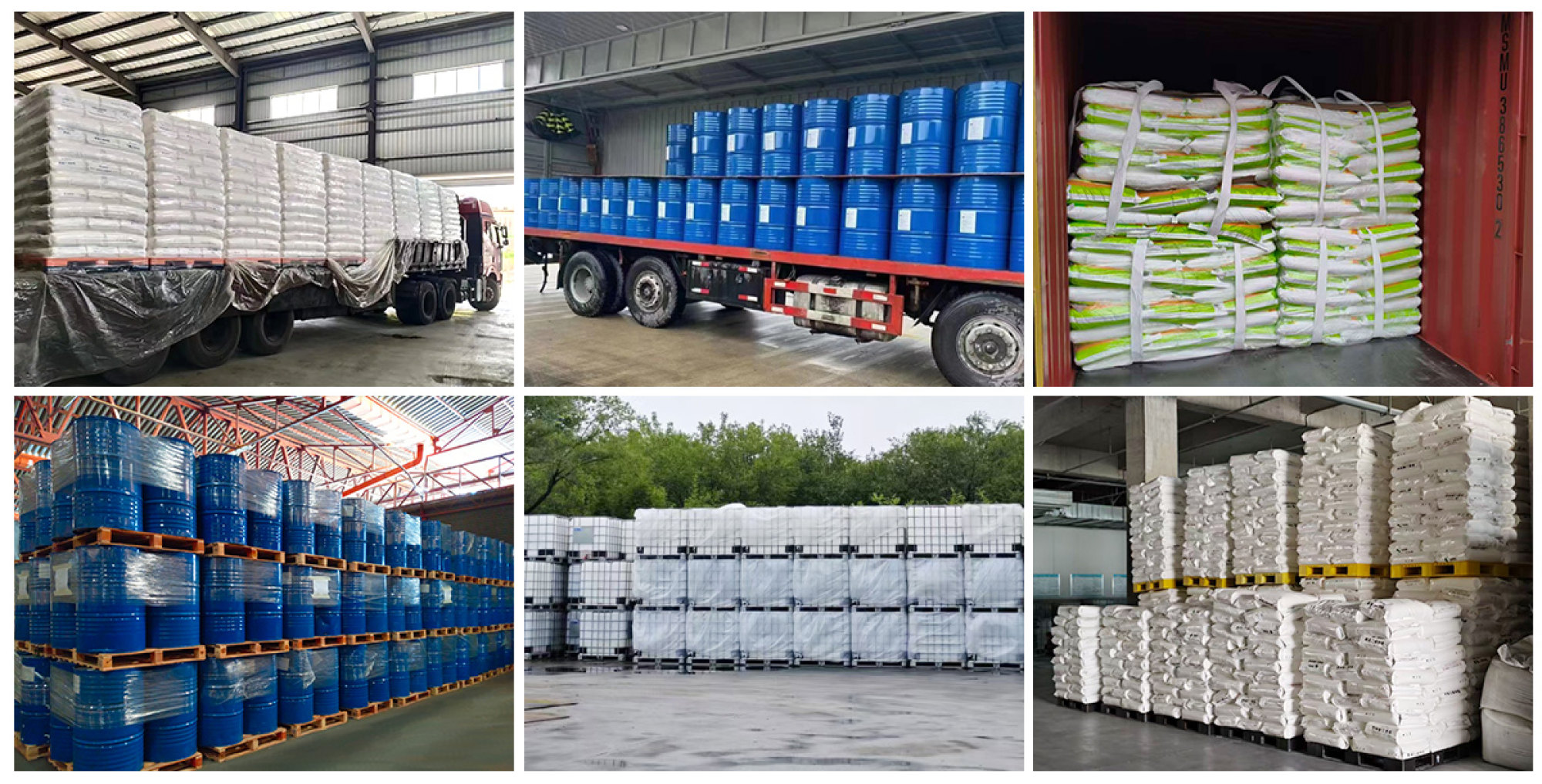
Packing: one metric tonne in a big bag, or according to customer's requirement
Can't Find The Product You Need?
Tell Us Your Product Requirements, Specifications And Target Industry, Our Professional Team Will Reply You Within 24 Hours.
Navigation
Send Us A Message
Product Details
Chemical Content TableProduct Packaging
Product Details
Introduction to Manganese Metal
It is also an important alloying element used in the manufacture of stainless steels, high-strength low alloy steels (HSLA), aluminium-manganese alloys and copper-manganese alloys. Manganese metal can be produced industrially and almost all of it is used in the steel industry to make ferromanganese alloys. Manganese ferroalloys can be obtained by reducing the appropriate proportions of iron oxide (Fe₂O₃) and manganese dioxide (MnO₂) with carbon (graphite) in a blast furnace. Pure manganese metal can be produced by electrolysis of manganese sulphate (MnSO₄).
Manganese is mainly used in the iron and steel industry for desulphurisation and deoxidation of steel; it is also used as an alloying additive to improve the strength, hardness, elasticity limit, wear resistance and corrosion resistance of steel; it is also used as an austenitic compounding element in high-alloyed steels, and is used in the refining of stainless steel, special alloy steels, stainless steel electrodes, etc. In addition, it is also used in non-ferrous metals, chemicals and other industries. In addition, it is also used in non-ferrous metals, chemical industry, medicine, food, analysis and scientific research. Manganese is widely used in automotive batteries, high-end equipment manufacturing, new materials and other fields.
Specification and particle size: natural lump, 10-100mm, powder or according to customer's requirement.
Packing: one metric tonne in a big bag or according to customer's requirement
Uses of Manganese Metal
Manganese is widely used in automotive batteries, high-end equipment manufacturing, new materials, etc. Each electric car requires an average of 4.5kg of manganese. Manganese is used in the production of many important alloys. In the iron and steel industry, manganese improves the quality, strength, toughness, stiffness, wear resistance, hardness and hardenability of rollers and castings. Manganese can form highly ferromagnetic alloys with aluminium and antimony, and especially with small amounts of copper. High-quality electrolytic manganese metal is also indispensable for applications in electrodes, ferrites, permanent magnet alloy components and manganese salts used in many medicinal and chemical industries. It is also required for recently invented vibration-damping alloys.
Factory Showcase

Shipping And Transportation
FAQ
Q1: What information should I include in my inquiry?
A1: Please provide the product name, purity or grade, required quantity, packaging, application, destination, and any documentation requirements. More complete information helps us prepare an accurate quotation.
Q2: Can I request a sample?
A2: Samples may be available for selected products. Please provide the required grade, sample quantity, application, and delivery details so we can confirm availability and shipping arrangements.
Q3: What product documents can you provide?
A3: Depending on the product, available documents may include a COA, SDS, TDS, specifications, and packing information. Please confirm your documentation requirements before ordering.
Q4: Can you provide customized specifications or packaging?
A4: Customization may be available for selected products, including product specifications, packaging sizes, and labeling. Feasibility and minimum order requirements are evaluated individually.
Q5: How long does delivery take?
A5: Delivery time depends on product availability, order quantity, shipping method, destination, and customs procedures. An estimated schedule will be Q6: provided after the order requirements are confirmed.
Q6: Can you arrange the shipment of regulated chemicals?
A6: For eligible products and destinations, we can help coordinate appropriate packaging, shipping documents, and logistics arrangements. Requirements depend on the product classification, carrier rules, and destination regulations.
Contact Us
Related Recommendations
 Anhydrous Citric AcidCAS No.: 77-92-9
Molecular Formula: C6H8O7
Molecular weight: 192.12Learn More →
 Dodecylbenzenesulfonic acidCAS No.: 27176-87-0
Molecular Formula: C18H30O3S
Molecular Weight: 348.47583Learn More →
 Sorbitan Fatty Acid EstersCAS No.: 1338-41-6
Molecular Formula: C24H46O6
Molecular Weight: 430.62Learn More →
 Sodium hydroxideCAS No.: 1310-73-2
Molecular Formula: NaOH
Molecular weight: 39.99711Learn More →
 Polyvinyl ChlorideCAS No.: 9002-86-2
Molecular Formula: (C2H3Cl)x
Molecular Weight: 62.5Learn More →
 Borax pentahydrateCAS No.: 12179-04-3
Molecular Formula: B4H10Na2O12
Molecular weight: 291.3Learn More →
 Sodium DodecylbenzenesulfonateCAS No.: 69669-44-9
Molecular Formula: C18H29NaO3S
Molecular weight: 348.48Learn More →
 Paraffin WaxCAS No.: 8002-74-2
Molecular Formula: CnH2n+2
Molecular weight: 341.44398Learn More →