‹
›
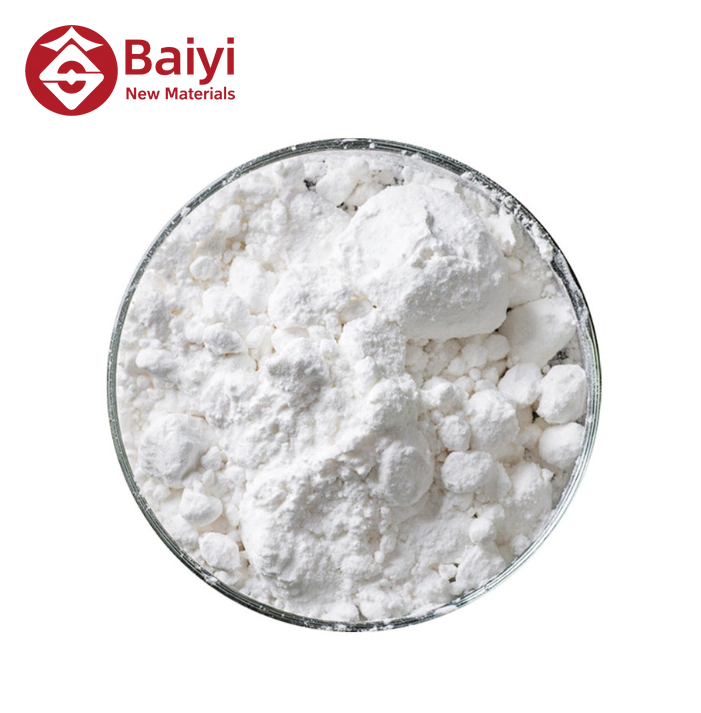
Sodium amide
Basic Information
Molecular Formula: H2NNa
Molecular weight: 39.01
Can't Find The Product You Need?
Tell Us Your Product Requirements, Specifications And Target Industry, Our Professional Team Will Reply You Within 24 Hours.
Navigation
Send Us A Message
Product Details
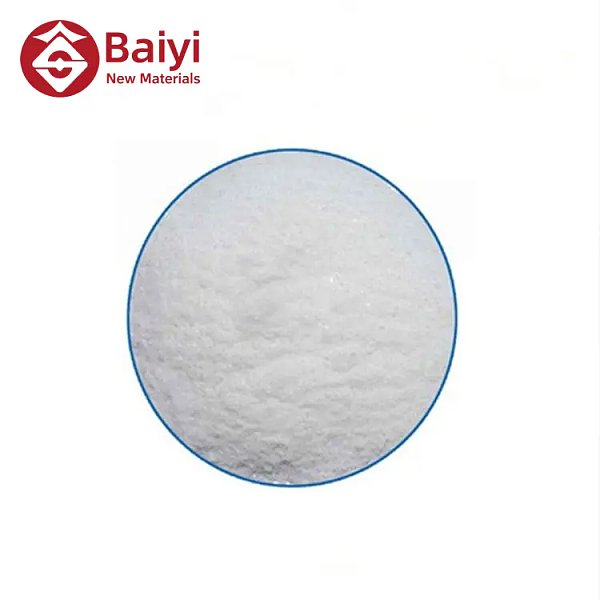
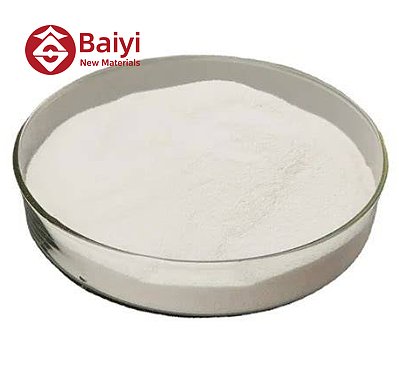
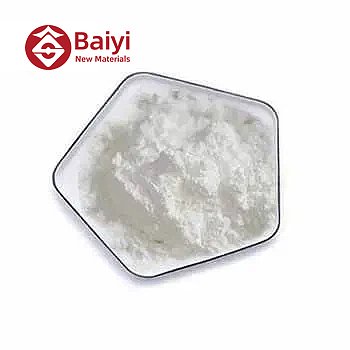
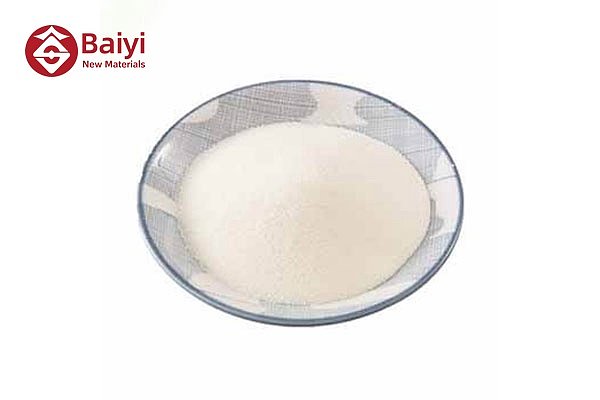
Sodium amide, also known as sodium amide or sodium ammonia, is a white or olive green crystalline powder with an ammonia smell. Its chemical formula is H2NNa, its molecular weight is 39.01, its melting point is 210℃, and its boiling point is 400℃. It decomposes into sodium, nitrogen and hydrogen when heated to 500-600℃. It reacts violently with water to form sodium hydroxide and release ammonia gas. It is slightly soluble in liquid ammonia and reacts slowly with alcohol. It absorbs carbon dioxide and water rapidly in the air and should be stored in a sealed container. It can dissolve metal magnesium, zinc, molybdenum, tungsten and quartz, glass, silicate and other substances in liquid state. It is an ionic compound composed of amino NH-2, a -1 valence atomic group formed by removing a hydrogen atom from sodium ions and ammonia molecules. Sodium amide is flammable, explosive, corrosive and deliquescent. Since amino groups have lone electron pairs and are easy to bind protons, Dust is toxic. Severely irritates the skin, eyes and respiratory system. Contact with the skin can cause corrosive burns. In organic synthesis, it is used as an aminating agent; condensation accelerator; dehydrating agent, dehalogenating agent; polymerization initiator and raw material for the manufacture of hydrazine, sodium cyanide, azide, cyanide, hydrazine and indigo. Sodium amide is easily oxidized in the air, and a layer of yellow oxidation products is generated on the surface. Some of these oxidation products are explosive and may explode due to friction or heat. When sodium amide is heated to 300-330°C in a vacuum, it decomposes into nitrogen, sodium, hydrogen and ammonia. Therefore, it is advisable to store it in a sealed bottle filled with an inert atmosphere to avoid contact with air, water or fire to avoid explosion and fire. Sodium amide reacts with carbon monoxide to produce sodium cyanide, which can be used to produce sodium cyanide. Sodium amide is usually used as a condensation accelerator, dehydrating agent, alkylating agent, etc. in organic synthesis. In industry, sodium amide is obtained by reacting molten sodium with gaseous ammonia at 300-400°C. In the laboratory, it is obtained by reacting sodium and liquid ammonia in the presence of a catalyst at room temperature.
Chemical Properties
Safety Information
Product Usage
Sodium amide, a powerful inorganic base and nucleophile, is an essential reagent in sophisticated organic synthesis. Its primary application is as a strong deprotonating agent, frequently used in the production of ethynyl compounds and for the isomerization of alkynes. In the pharmaceutical industry, it is a critical catalyst for the synthesis of vitamin A, antihistamines, and anti-infective drugs. Additionally, it plays a vital role in the dye industry for the manufacturing of synthetic indigo and other specialty pigments. Due to its high reactivity, it is also employed in the preparation of sodium cyanide and as a specialized polymerization initiator in material science.
Factory Showcase

Shipping And Transportation
FAQ
Q1: What information should I include in my inquiry?
A1: Please provide the product name, purity or grade, required quantity, packaging, application, destination, and any documentation requirements. More complete information helps us prepare an accurate quotation.
Q2: Can I request a sample?
A2: Samples may be available for selected products. Please provide the required grade, sample quantity, application, and delivery details so we can confirm availability and shipping arrangements.
Q3: What product documents can you provide?
A3: Depending on the product, available documents may include a COA, SDS, TDS, specifications, and packing information. Please confirm your documentation requirements before ordering.
Q4: Can you provide customized specifications or packaging?
A4: Customization may be available for selected products, including product specifications, packaging sizes, and labeling. Feasibility and minimum order requirements are evaluated individually.
Q5: How long does delivery take?
A5: Delivery time depends on product availability, order quantity, shipping method, destination, and customs procedures. An estimated schedule will be Q6: provided after the order requirements are confirmed.
Q6: Can you arrange the shipment of regulated chemicals?
A6: For eligible products and destinations, we can help coordinate appropriate packaging, shipping documents, and logistics arrangements. Requirements depend on the product classification, carrier rules, and destination regulations.
Contact Us
Related Recommendations
 Anhydrous Citric AcidCAS No.: 77-92-9
Molecular Formula: C6H8O7
Molecular weight: 192.12Learn More →
 Dodecylbenzenesulfonic acidCAS No.: 27176-87-0
Molecular Formula: C18H30O3S
Molecular Weight: 348.47583Learn More →
 Sorbitan Fatty Acid EstersCAS No.: 1338-41-6
Molecular Formula: C24H46O6
Molecular Weight: 430.62Learn More →
 Sodium hydroxideCAS No.: 1310-73-2
Molecular Formula: NaOH
Molecular weight: 39.99711Learn More →
 Polyvinyl ChlorideCAS No.: 9002-86-2
Molecular Formula: (C2H3Cl)x
Molecular Weight: 62.5Learn More →
 Borax pentahydrateCAS No.: 12179-04-3
Molecular Formula: B4H10Na2O12
Molecular weight: 291.3Learn More →
 Sodium DodecylbenzenesulfonateCAS No.: 69669-44-9
Molecular Formula: C18H29NaO3S
Molecular weight: 348.48Learn More →
 Paraffin WaxCAS No.: 8002-74-2
Molecular Formula: CnH2n+2
Molecular weight: 341.44398Learn More →