‹
›
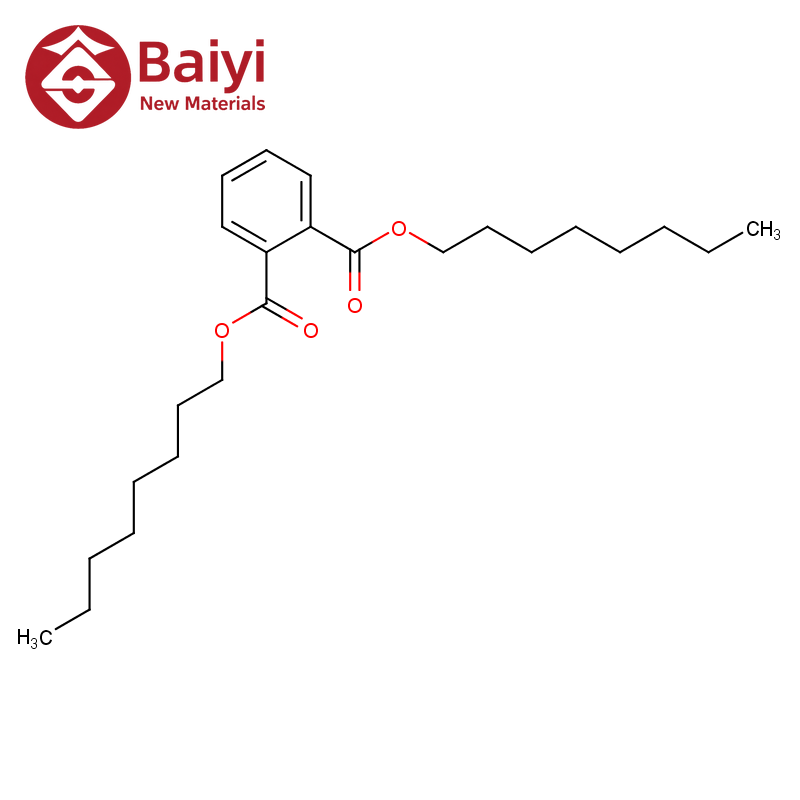
DI-N-OCTYL PHTHALATE
Basic Information
Molecular Formula: C24H38O4
Molecular Weight: 390.56
Can't Find The Product You Need?
Tell Us Your Product Requirements, Specifications And Target Industry, Our Professional Team Will Reply You Within 24 Hours.
Navigation
Send Us A Message
Product Details
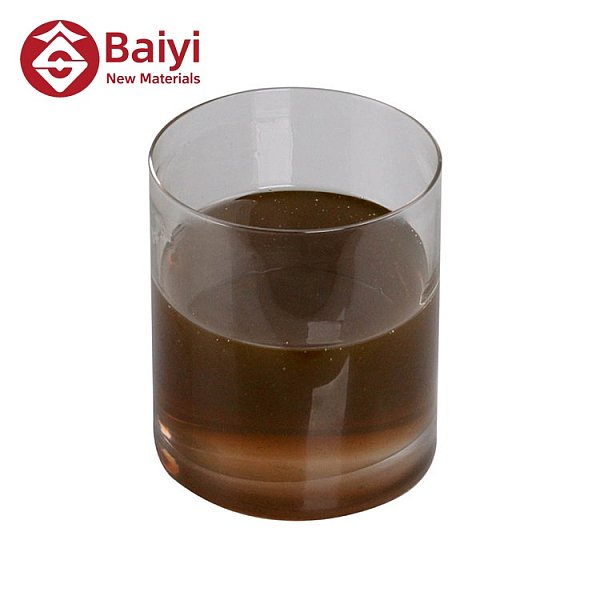
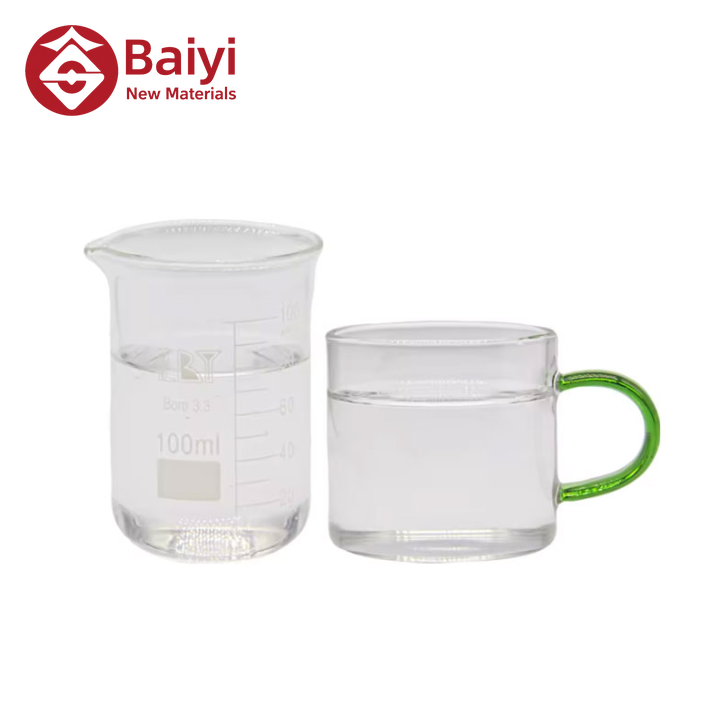
Dioctyl Phthalate (DOP for short), also known as dioctyl phthalate or Dioctyl Phthalate, is a widely used organic ester compound. At room temperature, it is a colorless and transparent oily liquid without visible impurities. Some products may have a slight odor.
Chemical Properties
Safety Information
Di-n-octyl phthalate (DOP) is a commonly used plasticizer primarily applied in polyvinyl chloride (PVC) and its copolymers to significantly improve flexibility, low-temperature resistance, and processing performance. It is widely used in cable compounds, synthetic leather, films, hoses, and sealing materials. In addition, it can also serve as an auxiliary plasticizing component in coatings and adhesives, enhancing elongation and durability. The product offers good compatibility with resins and excellent processing stability in various industrial applications.
Factory Showcase

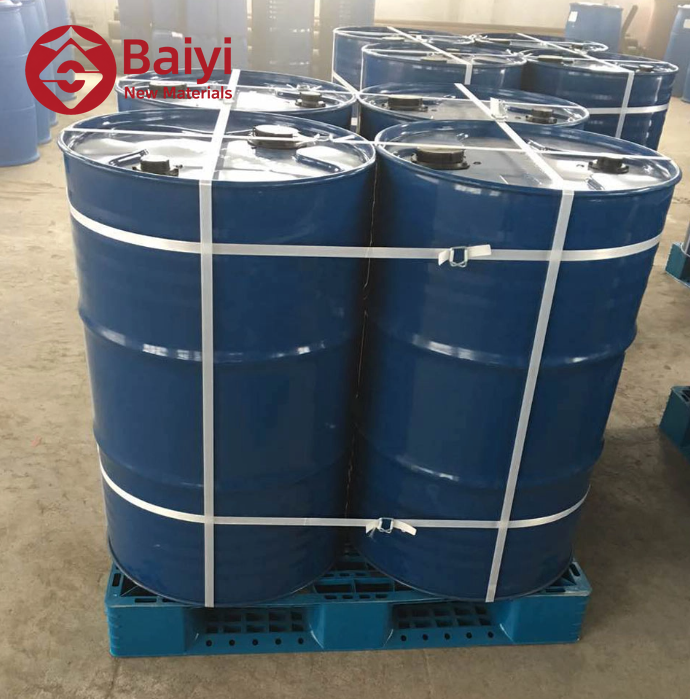
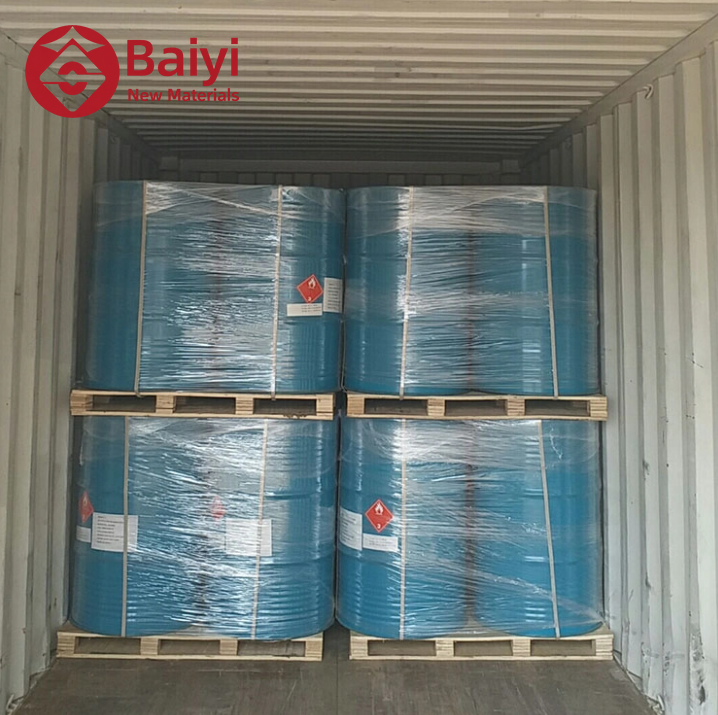
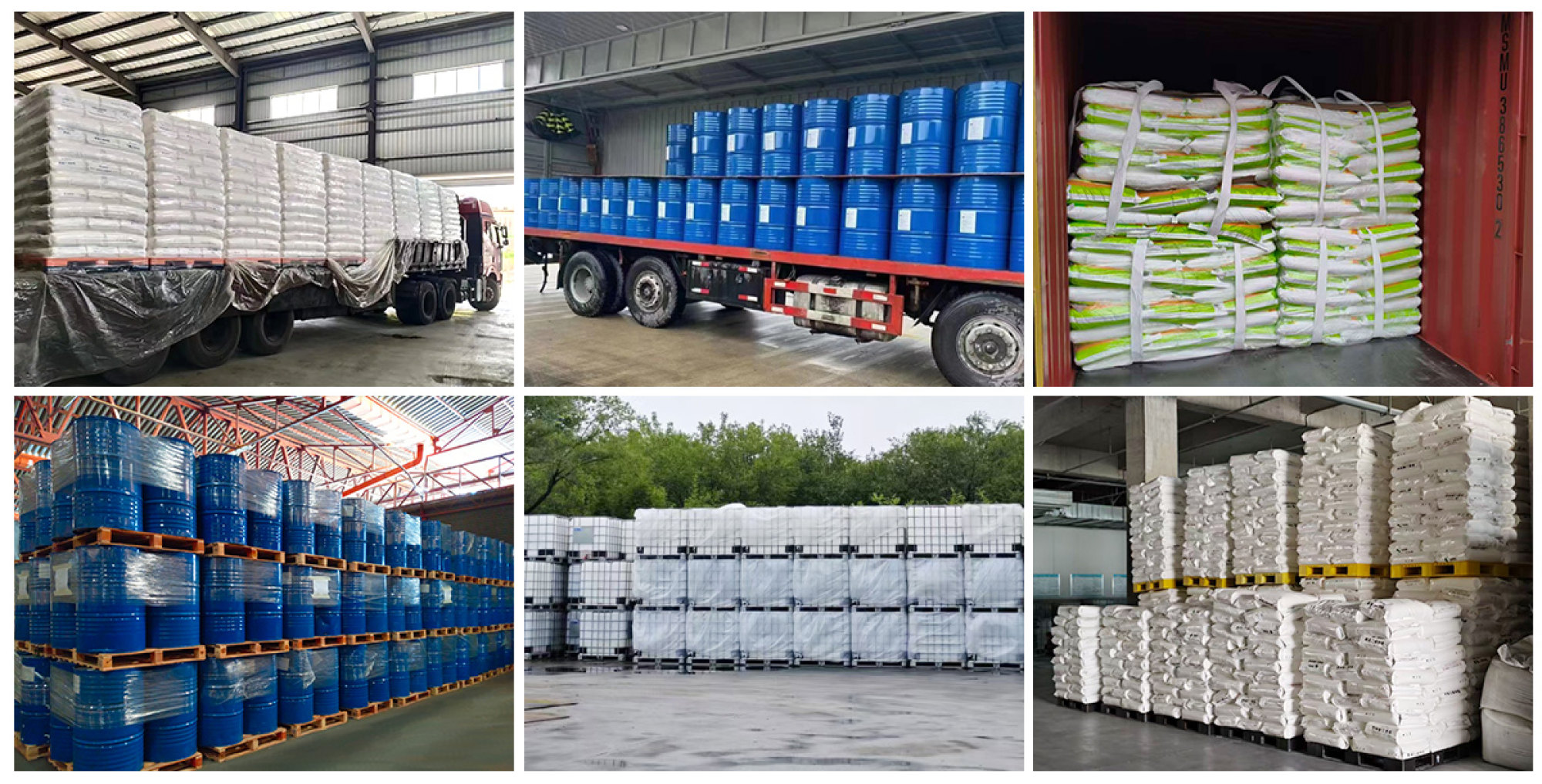
Shipping And Transportation
FAQ
Q1: What information should I include in my inquiry?
A1: Please provide the product name, purity or grade, required quantity, packaging, application, destination, and any documentation requirements. More complete information helps us prepare an accurate quotation.
Q2: Can I request a sample?
A2: Samples may be available for selected products. Please provide the required grade, sample quantity, application, and delivery details so we can confirm availability and shipping arrangements.
Q3: What product documents can you provide?
A3: Depending on the product, available documents may include a COA, SDS, TDS, specifications, and packing information. Please confirm your documentation requirements before ordering.
Q4: Can you provide customized specifications or packaging?
A4: Customization may be available for selected products, including product specifications, packaging sizes, and labeling. Feasibility and minimum order requirements are evaluated individually.
Q5: How long does delivery take?
A5: Delivery time depends on product availability, order quantity, shipping method, destination, and customs procedures. An estimated schedule will be Q6: provided after the order requirements are confirmed.
Q6: Can you arrange the shipment of regulated chemicals?
A6: For eligible products and destinations, we can help coordinate appropriate packaging, shipping documents, and logistics arrangements. Requirements depend on the product classification, carrier rules, and destination regulations.
Contact Us
Related Recommendations
 Anhydrous Citric AcidCAS No.: 77-92-9
Molecular Formula: C6H8O7
Molecular weight: 192.12Learn More →
 Dodecylbenzenesulfonic acidCAS No.: 27176-87-0
Molecular Formula: C18H30O3S
Molecular Weight: 348.47583Learn More →
 Sorbitan Fatty Acid EstersCAS No.: 1338-41-6
Molecular Formula: C24H46O6
Molecular Weight: 430.62Learn More →
 Sodium hydroxideCAS No.: 1310-73-2
Molecular Formula: NaOH
Molecular weight: 39.99711Learn More →
 Polyvinyl ChlorideCAS No.: 9002-86-2
Molecular Formula: (C2H3Cl)x
Molecular Weight: 62.5Learn More →
 Borax pentahydrateCAS No.: 12179-04-3
Molecular Formula: B4H10Na2O12
Molecular weight: 291.3Learn More →
 Sodium DodecylbenzenesulfonateCAS No.: 69669-44-9
Molecular Formula: C18H29NaO3S
Molecular weight: 348.48Learn More →
 Paraffin WaxCAS No.: 8002-74-2
Molecular Formula: CnH2n+2
Molecular weight: 341.44398Learn More →